 NEET Notes
Home > Biology > Zoology > Human Health and Disease
Human Health and Disease
On this page · 22 sections
- 01Syllabus map
- 02Health and disease: the basics
- 03Bacterial diseases: typhoid and pneumonia
- 04Viral and protozoan diseases: common cold, malaria, amoebiasis
- 05Helminth and fungal diseases: ascariasis, filariasis, ringworm
- 06Prevention and control of infectious diseases
- 07Innate immunity: the four barriers
- 08Acquired immunity: B cells, T cells and antibodies
- 09Active and passive immunity, vaccination
- 10Allergies and auto-immunity
- 11Immune system in the body: lymphoid organs
- 12AIDS: HIV, transmission and prevention
- 13Cancer: tumours, carcinogens, detection, treatment
- 14Drugs of abuse: opioids, cannabinoids, cocaine
- 15Tobacco and adolescence
- 16Addiction, dependence and effects of drug abuse
- 17Prevention and control of drug and alcohol abuse
- 18Table 1: Common diseases in humans
- 19Table 2: Innate immunity vs acquired immunity
- 20Table 3: Lymphoid organs
- 21Table 4: Drugs of abuse
- 22Pairs that NEET loves to swap
Common diseases, immunity, AIDS, cancer, drugs and alcohol abuse, all from NCERT Chapter 7, with the PYQs NEET keeps repeating.
Syllabus map
- NMC Unit: BIO-U08, Biology and Human Welfare. NCERT Chapter 7, Human Health and Disease (Class XII).
- Subtopics in this chapter (NCERT XII, Ch 7): health and disease; common diseases in humans (bacterial, viral, protozoan, helminth and fungal diseases; prevention and control); immunity (innate and acquired immunity, active and passive immunity, vaccination and immunisation, allergies, auto-immunity, immune system in the body); AIDS; cancer; drugs and alcohol abuse (opioids, cannabinoids, coca alkaloid, tobacco, adolescence, addiction and dependence, effects, prevention and control).
- Subtopic checklist: (1) health as complete physical, mental and social well-being; (2) typhoid, pneumonia, common cold, malaria, amoebiasis, ascariasis, filariasis, ringworm; (3) Plasmodium life cycle and haemozoin; (4) prevention and control measures; (5) four barriers of innate immunity; (6) B-lymphocytes, T-lymphocytes, antibodies H2L2, humoral vs cell-mediated immunity; (7) active vs passive immunity and vaccination; (8) allergies (IgE, histamine) and auto-immunity (rheumatoid arthritis); (9) primary and secondary lymphoid organs; (10) HIV, AIDS transmission and prevention; (11) benign vs malignant tumours, metastasis, carcinogens, detection and treatment; (12) heroin, cannabinoids, cocaine, tobacco and nicotine; (13) adolescence, addiction, dependence, withdrawal, effects and prevention.
- Extra information (beyond NCERT): none. Every fact in this chapter is from NCERT Chapter 7.
- Excluded topics: microbes in human welfare (Chapter 8) and biotechnology (Chapters 9 and 10). Do not import their facts into this chapter.
- Estimated revision time: 12 minutes. Jump links: Syllabus Map, Health and Disease, Bacterial Diseases, Viral and Protozoan Diseases, Helminth and Fungal Diseases, Prevention, Innate Immunity, Acquired Immunity, Active and Passive Immunity, Allergies, Immune System, AIDS, Cancer, Drugs, Tobacco and Adolescence, Addiction and Effects, Prevention, Tables, Trap Boxes, PYQs, Chapter Test.
Suggest an edit
Health and disease: the basics
Health does not simply mean 'absence of disease' or 'physical fitness'. It could be defined as a state of complete physical, mental and social well-being. When people are healthy, they are more efficient at work. This increases productivity and brings economic prosperity. Health also increases longevity of people and reduces infant and maternal mortality.
For a long time, health was considered a state of body and mind where there was a balance of certain 'humors'. Early Greeks like Hippocrates, as well as the Indian Ayurveda system of medicine, asserted this: it was thought that persons with 'black bile' belonged to a hot personality and would have fevers. The discovery of blood circulation by William Harvey using the experimental method, and the demonstration of normal body temperature in persons with black bile using a thermometer, disproved the 'good humour' hypothesis of health.
Balanced diet, personal hygiene and regular exercise are very important to maintain good health. Yoga has been practised since time immemorial to achieve physical and mental health. Awareness about diseases and their effect on different bodily functions, vaccination (immunisation) against infectious diseases, proper disposal of wastes, control of vectors and maintenance of hygiene in food and water resources are necessary for achieving good health.
When the functioning of one or more organs or systems of the body is adversely affected, characterised by appearance of various signs and symptoms, we say that we are not healthy, i.e., we have a disease. Diseases can be broadly grouped into infectious and non-infectious. Diseases which are easily transmitted from one person to another are called infectious diseases. Infectious diseases are very common and every one of us suffers from these at some time or other. Some of the infectious diseases like AIDS are fatal. Among non-infectious diseases, cancer is the major cause of death. Drug and alcohol abuse also affect our health adversely.
Health is affected by (i) genetic disorders, deficiencies with which a child is born and deficiencies or defects which the child inherits from parents from birth; (ii) infections; and (iii) life style including food and water we take, rest and exercise we give to our bodies, and habits that we have or lack.
Suggest an edit
Bacterial diseases: typhoid and pneumonia
A wide range of organisms belonging to bacteria, viruses, fungi, protozoans, helminths, etc., could cause diseases in man. Such disease-causing organisms are called pathogens. Most parasites are therefore pathogens as they cause harm to the host by living in (or on) them. The pathogens can enter our body by various means, multiply and interfere with normal vital activities, resulting in morphological and functional damage.
Salmonella typhi is a pathogenic bacterium which causes typhoid fever in human beings. These pathogens generally enter the small intestine through food and water contaminated with them and migrate to other organs through blood. Sustained high fever (39° to 40°C), weakness, stomach pain, constipation, headache and loss of appetite are some of the common symptoms of this disease. Intestinal perforation and death may occur in severe cases. Typhoid fever could be confirmed by Widal test. A classic case in medicine, that of Mary Mallon nicknamed Typhoid Mary, is worth mentioning here. She was a cook by profession and was a typhoid carrier who continued to spread typhoid for several years through the food she prepared.
Bacteria like Streptococcus pneumoniae and Haemophilus influenzae are responsible for the disease pneumonia in humans which infects the alveoli (air filled sacs) of the lungs. As a result of the infection, the alveoli get filled with fluid leading to severe problems in respiration. The symptoms of pneumonia include fever, chills, cough and headache. In severe cases, the lips and finger nails may turn gray to bluish in colour. A healthy person acquires the infection by inhaling the droplets or aerosols released by an infected person or even by sharing glasses and utensils with an infected person. Dysentery, plague, diphtheria, etc., are some of the other bacterial diseases in man.
Suggest an edit
Viral and protozoan diseases: common cold, malaria, amoebiasis
Many viruses also cause diseases in human beings. Rhino viruses represent one such group of viruses which cause one of the most infectious human ailments, the common cold. They infect the nose and respiratory passage but not the lungs. The common cold is characterised by nasal congestion and discharge, sore throat, hoarseness, cough, headache, tiredness, etc., which usually last for 3-7 days. Droplets resulting from cough or sneezes of an infected person are either inhaled directly or transmitted through contaminated objects such as pens, books, cups, doorknobs, computer keyboard or mouse, etc., and cause infection in a healthy person.
Plasmodium, a tiny protozoan, is responsible for malaria, a disease man has been fighting for many years. Different species of Plasmodium (P. vivax, P. malariae and P. falciparum) are responsible for different types of malaria. Of these, malignant malaria caused by Plasmodium falciparum is the most serious one and can even be fatal.
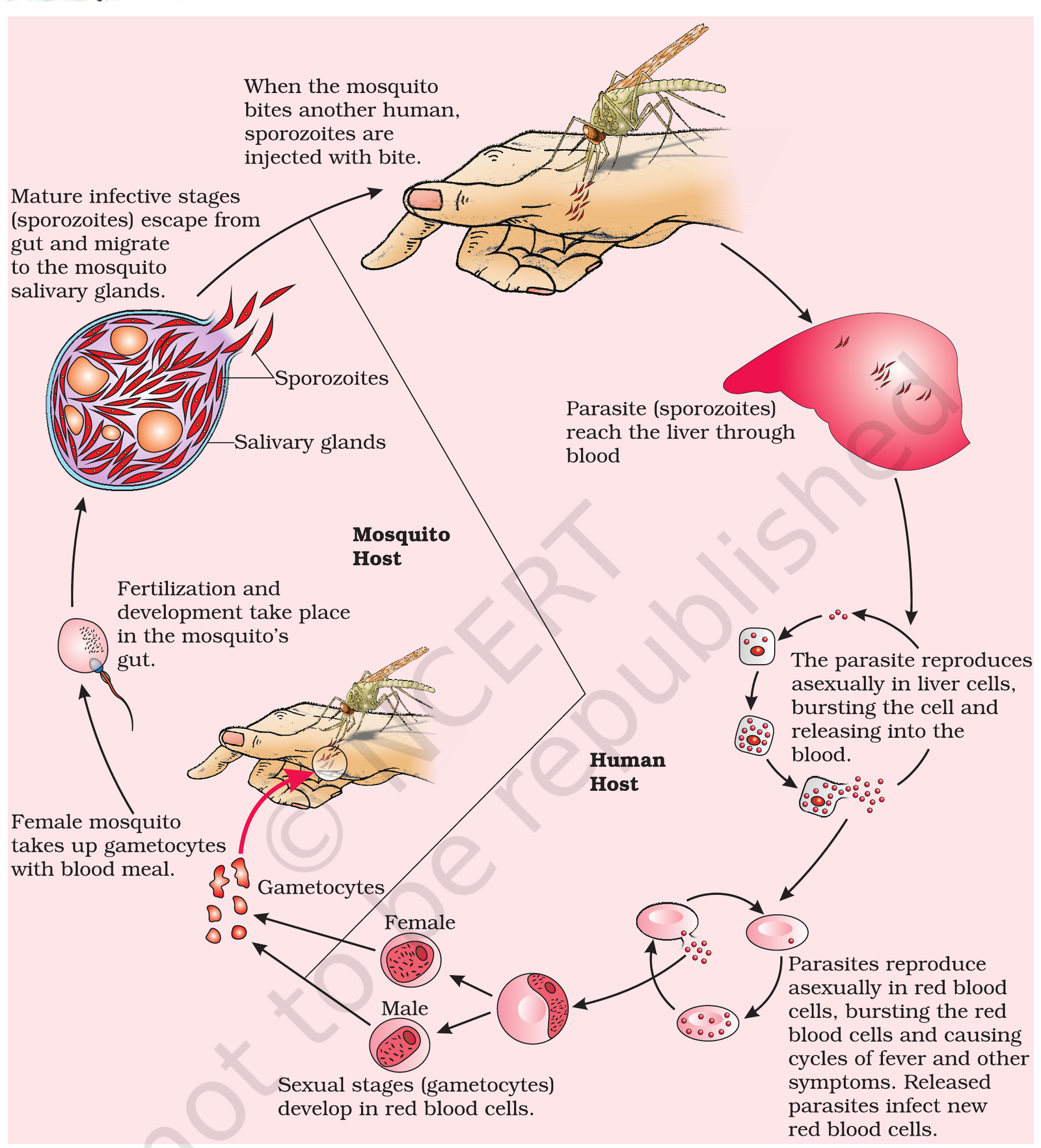
Plasmodium enters the human body as sporozoites (infectious form) through the bite of infected female Anopheles mosquito (NCERT Figure 7.1). The parasites initially multiply within the liver cells and then attack the red blood cells (RBCs) resulting in their rupture. The rupture of RBCs is associated with release of a toxic substance, haemozoin, which is responsible for the chill and high fever recurring every three to four days. When a female Anopheles mosquito bites an infected person, these parasites enter the mosquito's body and undergo further development. The parasites multiply within them to form sporozoites that are stored in their salivary glands. When these mosquitoes bite a human, the sporozoites are introduced into his or her body. The malarial parasite requires two hosts, human and mosquitoes, to complete its life cycle; the female Anopheles mosquito is the vector (transmitting agent) too. NCERT Figure 7.1 also shows the sexual stages of the parasite: the gametocytes develop inside the red blood cells, and when a female Anopheles mosquito bites an infected person, it takes up the gametocytes; fertilisation and further development then take place inside the mosquito.
Entamoeba histolytica is a protozoan parasite in the large intestine of human which causes amoebiasis (amoebic dysentery). Symptoms of this disease include constipation, abdominal pain and cramps, stools with excess mucous and blood clots. Houseflies act as mechanical carriers and serve to transmit the parasite from faeces of infected person to food and food products, thereby contaminating them. Drinking water and food contaminated by the faecal matter are the main source of infection.
Suggest an edit
Practice1 question
Try it now. A wrong answer costs nothing here, try again until you get it.
A patient has recurring chill and high fever every three to four days. Which substance released on rupture of red blood cells is responsible?
NCERT 7.1: the rupture of RBCs is associated with release of a toxic substance, haemozoin, which is responsible for the chill and high fever recurring every three to four days.
Helminth and fungal diseases: ascariasis, filariasis, ringworm
Ascaris, the common round worm, and Wuchereria, the filarial worm, are some of the helminths which are known to be pathogenic to man. Ascaris, an intestinal parasite, causes ascariasis. Symptoms of this disease include internal bleeding, muscular pain, fever, anemia and blockage of the intestinal passage. The eggs of the parasite are excreted along with the faeces of infected persons which contaminate soil, water, plants, etc. A healthy person acquires this infection through contaminated water, vegetables, fruits, etc.
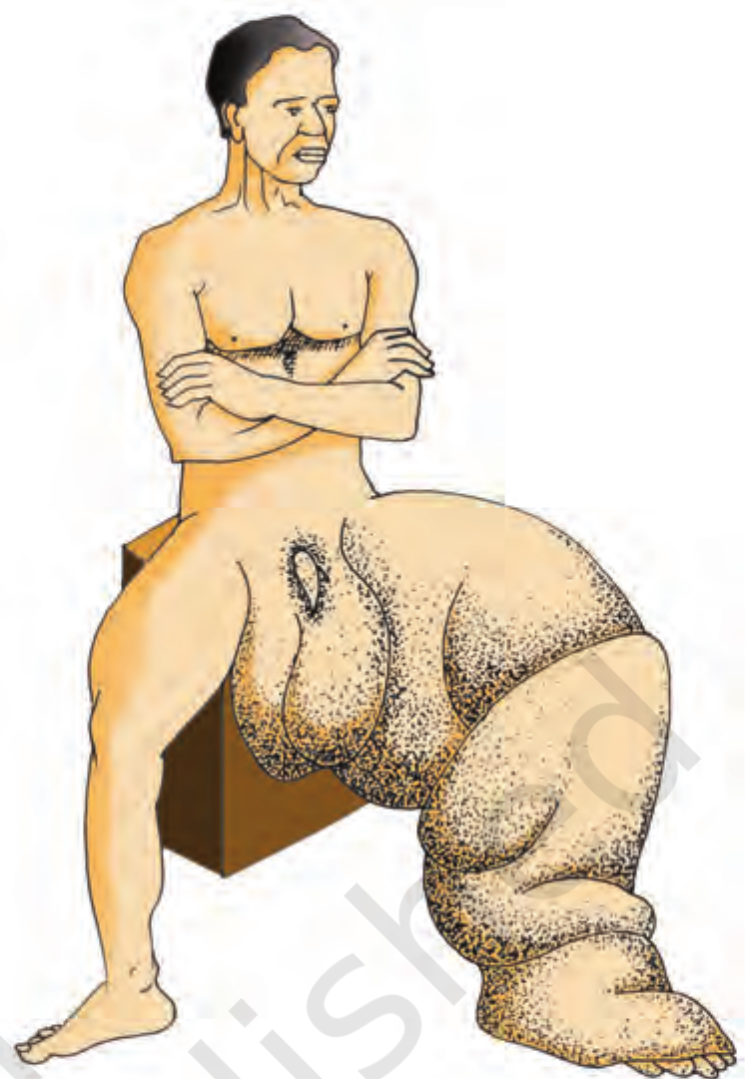
Wuchereria (W. bancrofti and W. malayi), the filarial worms, cause a slowly developing chronic inflammation of the organs in which they live for many years, usually the lymphatic vessels of the lower limbs, and the disease is called elephantiasis or filariasis (NCERT Figure 7.2). The genital organs are also often affected, resulting in gross deformities. The pathogens are transmitted to a healthy person through the bite by the female mosquito vectors.
Many fungi belonging to the genera Microsporum, Trichophyton and Epidermophyton are responsible for ringworms, which is one of the most common infectious diseases in man. Appearance of dry, scaly lesions on various parts of the body such as skin, nails and scalp (NCERT Figure 7.3) are the main symptoms of the disease. These lesions are accompanied by intense itching. Heat and moisture help these fungi to grow, which makes them thrive in skin folds such as those in the groin or between the toes. Ringworms are generally acquired from soil or by using towels, clothes or even the comb of infected individuals.
Suggest an edit
Prevention and control of infectious diseases
Maintenance of personal and public hygiene is very important for prevention and control of many infectious diseases. Measures for personal hygiene include keeping the body clean, and consumption of clean drinking water, food, vegetables, fruits, etc. Public hygiene includes proper disposal of waste and excreta, periodic cleaning and disinfection of water reservoirs, pools, cesspools and tanks, and observing standard practices of hygiene in public catering. These measures are particularly essential where the infectious agents are transmitted through food and water such as typhoid, amoebiasis and ascariasis.
In cases of air-borne diseases such as pneumonia and common cold, in addition to the above measures, close contact with the infected persons or their belongings should be avoided.
For diseases such as malaria and filariasis that are transmitted through insect vectors, the most important measure is to control or eliminate the vectors and their breeding places. This can be achieved by avoiding stagnation of water in and around residential areas, regular cleaning of household coolers, use of mosquito nets, introducing fishes like Gambusia in ponds that feed on mosquito larvae, spraying of insecticides in ditches, drainage areas and swamps, etc. In addition, doors and windows should be provided with wire mesh to prevent the entry of mosquitoes. Such precautions have become more important especially in the light of recent widespread incidences of the vector-borne (Aedes mosquitoes) diseases like dengue and chikungunya in many parts of India.
The advancements made in biological science have armed us to effectively deal with many infectious diseases. The use of vaccines and immunisation programmes have enabled us to completely eradicate a deadly disease like smallpox. A large number of other infectious diseases like polio, diphtheria, pneumonia and tetanus have been controlled to a large extent by the use of vaccines. Discovery of antibiotics and various other drugs has also enabled us to effectively treat infectious diseases.
Suggest an edit
Innate immunity: the four barriers
Every day we are exposed to a large number of infectious agents. However, only a few of these exposures result in disease. This is due to the fact that the body is able to defend itself from most of these foreign agents. This overall ability of the host to fight the disease-causing organisms, conferred by the immune system, is called immunity.
Immunity is of two types: (i) Innate immunity and (ii) Acquired immunity.
Innate immunity is a non-specific type of defence, that is present at the time of birth. This is accomplished by providing different types of barriers to the entry of the foreign agents into our body. Innate immunity consists of four types of barriers:
- Physical barriers: Skin on our body is the main barrier which prevents entry of the micro-organisms. Mucus coating of the epithelium lining the respiratory, gastrointestinal and urogenital tracts also helps in trapping microbes entering our body.
- Physiological barriers: Acid in the stomach, saliva in the mouth, tears from eyes, all prevent microbial growth.
- Cellular barriers: Certain types of leukocytes (WBC) of our body like polymorpho-nuclear leukocytes (PMNL-neutrophils) and monocytes and natural killer (type of lymphocytes) in the blood as well as macrophages in tissues can phagocytose and destroy microbes.
- Cytokine barriers: Virus-infected cells secrete proteins called interferons which protect non-infected cells from further viral infection.
Suggest an edit
Acquired immunity: B cells, T cells and antibodies

Acquired immunity, on the other hand, is pathogen specific. It is characterised by memory. This means when our body encounters a pathogen for the first time it produces a response called primary response which is of low intensity. Subsequent encounter with the same pathogen elicits a highly intensified secondary or anamnestic response. This is ascribed to the fact that our body appears to have memory of the first encounter.
The primary and secondary immune responses are carried out with the help of two special types of lymphocytes present in our blood, i.e., B-lymphocytes and T-lymphocytes.
The B-lymphocytes produce an army of proteins in response to pathogens into our blood to fight with them. These proteins are called antibodies. The T-cells themselves do not secrete antibodies but help B cells to produce them. Each antibody molecule has four peptide chains, two small called light chains and two longer called heavy chains. Hence, an antibody is represented as H2L2. Different types of antibodies are produced in our body. IgA, IgM, IgE, IgG are some of them. A cartoon of an antibody is given in NCERT Figure 7.4. Because these antibodies are found in the blood, the response is also called as humoral immune response. This is one of the two types of our acquired immune response, antibody mediated. The second type is called cell-mediated immune response or cell-mediated immunity (CMI). The T-lymphocytes mediate CMI.
Very often, when some human organs like heart, eye, liver, kidney fail to function satisfactorily, transplantation is the only remedy to enable the patient to live a normal life. Grafts from just any source, an animal, another primate, or any human beings, cannot be made since the grafts would be rejected sooner or later. Tissue matching and blood group matching are essential before undertaking any graft or transplant, and even after this the patient has to take immuno-suppressants all his or her life. The body is able to differentiate 'self' and 'nonself' and the cell-mediated immune response is responsible for the graft rejection.
Suggest an edit
Practice1 question
Try it now. A wrong answer costs nothing here, try again until you get it.
Which cells produce antibodies, and which cells help them to do so?
NCERT 7.2.2: the B-lymphocytes produce antibodies in response to pathogens. The T-cells themselves do not secrete antibodies but help B cells to produce them.
Active and passive immunity, vaccination
When a host is exposed to antigens, which may be in the form of living or dead microbes or other proteins, antibodies are produced in the host body. This type of immunity is called active immunity. Active immunity is slow and takes time to give its full effective response. Injecting the microbes deliberately during immunisation or infectious organisms gaining access into body during natural infection induce active immunity.
When ready-made antibodies are directly given to protect the body against foreign agents, it is called passive immunity. The yellowish fluid colostrum secreted by mother during the initial days of lactation has abundant antibodies (IgA) to protect the infant. The foetus also receives some antibodies from their mother, through the placenta during pregnancy. These are some examples of passive immunity.
The principle of immunisation or vaccination is based on the property of 'memory' of the immune system. In vaccination, a preparation of antigenic proteins of pathogen or inactivated or weakened pathogen (vaccine) are introduced into the body. The antibodies produced in the body against these antigens would neutralise the pathogenic agents during actual infection. The vaccines also generate memory, B and T-cells that recognise the pathogen quickly on subsequent exposure and overwhelm the invaders with a massive production of antibodies.
If a person is infected with some deadly microbes to which quick immune response is required as in tetanus, we need to directly inject the preformed antibodies, or antitoxin (a preparation containing antibodies to the toxin). Even in cases of snakebites, the injection which is given to the patients contains preformed antibodies against the snake venom. This type of immunisation is called passive immunisation.
Recombinant DNA technology has allowed the production of antigenic polypeptides of pathogen in bacteria or yeast. Vaccines produced using this approach allow large scale production and hence greater availability for immunisation, e.g., hepatitis B vaccine produced from yeast.
Suggest an edit
Allergies and auto-immunity
The exaggerated response of the immune system to certain antigens present in the environment is called allergy. The substances to which such an immune response is produced are called allergens. The antibodies produced to these are of IgE type. Common examples of allergens are mites in dust, pollens, animal dander, etc. Symptoms of allergic reactions include sneezing, watery eyes, running nose and difficulty in breathing.
Allergy is due to the release of chemicals like histamine and serotonin from the mast cells. For determining the cause of allergy, the patient is exposed to or injected with very small doses of possible allergens, and the reactions studied. The use of drugs like anti-histamine, adrenalin and steroids quickly reduce the symptoms of allergy. Somehow, modern-day life style has resulted in lowering of immunity and more sensitivity to allergens. More and more children in metro cities of India suffer from allergies and asthma due to sensitivity to the environment. This could be because of the protected environment provided early in life.
Memory-based acquired immunity evolved in higher vertebrates based on the ability to differentiate foreign organisms (e.g., pathogens) from self-cells. Sometimes, due to genetic and other unknown reasons, the body attacks self-cells. This results in damage to the body and is called auto-immune disease. Rheumatoid arthritis which affects many people in our society is an auto-immune disease.
Suggest an edit
Immune system in the body: lymphoid organs

The human immune system consists of lymphoid organs, tissues, cells and soluble molecules like antibodies. The immune system is unique in the sense that it recognises foreign antigens, responds to these and remembers them. The immune system also plays an important role in allergic reactions, auto-immune diseases and organ transplantation.
Lymphoid organs are the organs where origin and/or maturation and proliferation of lymphocytes occur. The primary lymphoid organs are bone marrow and thymus where immature lymphocytes differentiate into antigen-sensitive lymphocytes. After maturation the lymphocytes migrate to secondary lymphoid organs like spleen, lymph nodes, tonsils, Peyer's patches of small intestine and appendix. The secondary lymphoid organs provide the sites for interaction of lymphocytes with the antigen, which then proliferate to become effector cells. The location of various lymphoid organs in the human body is shown in NCERT Figure 7.5.
The bone marrow is the main lymphoid organ where all blood cells including lymphocytes are produced. The thymus is a lobed organ located near the heart and beneath the breastbone. The thymus is quite large at the time of birth but keeps reducing in size with age and by the time puberty is attained it reduces to a very small size. Both bone-marrow and thymus provide micro-environments for the development and maturation of T-lymphocytes.
The spleen is a large bean-shaped organ. It mainly contains lymphocytes and phagocytes. It acts as a filter of the blood by trapping blood-borne micro-organisms. Spleen also has a large reservoir of erythrocytes.
The lymph nodes are small solid structures located at different points along the lymphatic system. Lymph nodes serve to trap the micro-organisms or other antigens, which happen to get into the lymph and tissue fluid. Antigens trapped in the lymph nodes are responsible for the activation of lymphocytes present there and cause the immune response.
There is lymphoid tissue also located within the lining of the major tracts (respiratory, digestive and urogenital tracts) called mucosa-associated lymphoid tissue (MALT). It constitutes about 50 per cent of the lymphoid tissue in human body.
Suggest an edit
Practice1 question
Try it now. A wrong answer costs nothing here, try again until you get it.
Which of these is a primary lymphoid organ where immature lymphocytes differentiate into antigen-sensitive lymphocytes?
NCERT 7.2.7: the primary lymphoid organs are bone marrow and thymus, where immature lymphocytes differentiate into antigen-sensitive lymphocytes. Spleen, lymph nodes and tonsils are secondary lymphoid organs.
AIDS: HIV, transmission and prevention
The word AIDS stands for Acquired Immuno Deficiency Syndrome. This means deficiency of immune system, acquired during the life time of an individual indicating that it is not a congenital disease. 'Syndrome' means a group of symptoms. AIDS was first reported in 1981 and in the last twenty-five years or so, it has spread all over the world killing more than 25 million persons.
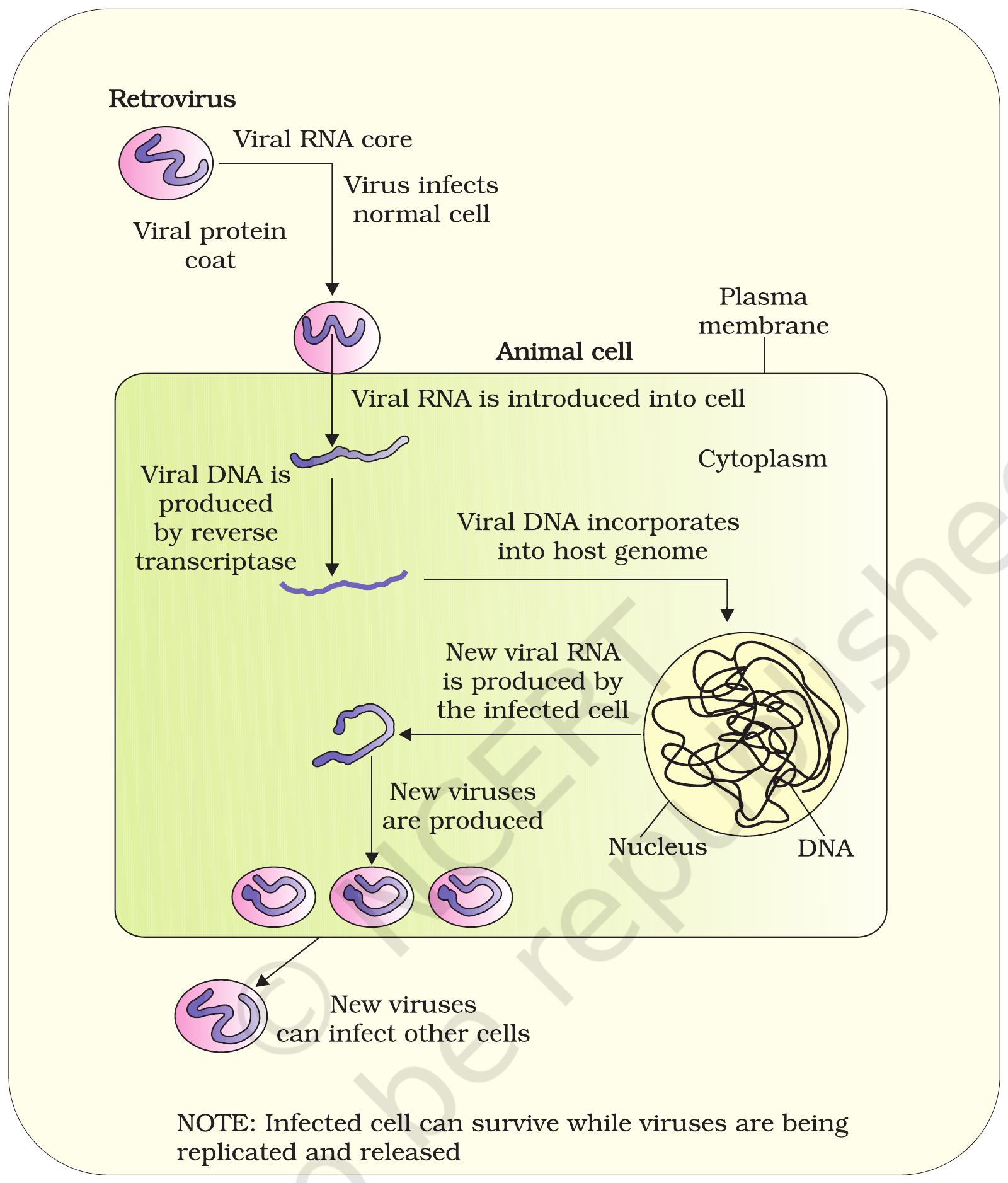
AIDS is caused by the Human Immuno deficiency Virus (HIV), a member of a group of viruses called retrovirus, which have an envelope enclosing the RNA genome (NCERT Figure 7.6). Transmission of HIV-infection generally occurs by (a) sexual contact with infected person, (b) by transfusion of contaminated blood and blood products, (c) by sharing infected needles as in the case of intravenous drug abusers, (d) from infected mother to her child through placenta. It is important to note that HIV/AIDS is not spread by mere touch or physical contact; it spreads only through body fluids. It is, hence, imperative, for the physical and psychological well-being, that the HIV/AIDS infected persons are not isolated from family and society.
There is always a time-lag between the infection and appearance of AIDS symptoms. This period may vary from a few months to many years (usually 5-10 years). After getting into the body of the person, the virus enters into macrophages where RNA genome of the virus replicates to form viral DNA with the help of the enzyme reverse transcriptase. This viral DNA gets incorporated into host cell's DNA and directs the infected cells to produce virus particles. The macrophages continue to produce virus and in this way act like a HIV factory. Simultaneously, HIV enters into helper T-lymphocytes (TH), replicates and produce progeny viruses. The progeny viruses released in the blood attack other helper T-lymphocytes. This is repeated leading to a progressive decrease in the number of helper T-lymphocytes in the body of the infected person. During this period, the person suffers from bouts of fever, diarrhoea and weight loss. Due to decrease in the number of helper T lymphocytes, the person starts suffering from infections that could have been otherwise overcome such as those due to bacteria especially Mycobacterium, viruses, fungi and even parasites like Toxoplasma. The patient becomes so immuno-deficient that he/she is unable to protect himself/herself against these infections. A widely used diagnostic test for AIDS is enzyme linked immuno-sorbent assay (ELISA). Treatment of AIDS with anti-retroviral drugs is only partially effective. They can only prolong the life of the patient but cannot prevent death, which is inevitable.
Prevention of AIDS: As AIDS has no cure, prevention is the best option. Moreover, HIV infection, more often, spreads due to conscious behaviour patterns and is not a natural happening. Therefore, the only excuse may be ignorance and it has been rightly said that 'don't die of ignorance'. In our country the National AIDS Control Organisation (NACO) and other non-governmental organisation (NGOs) are doing a lot to educate people about AIDS. WHO has started a number of programmes to prevent the spreading of HIV infection. Making blood (from blood banks) safe from HIV, ensuring the use of only disposable needles and syringes in public and private hospitals and clinics, free distribution of condoms, controlling drug abuse, advocating safe sex and promoting regular check-ups for HIV in susceptible populations, are some such steps taken up. Infection with HIV or having AIDS is something that should not be hidden, since then, the infection may spread to many more people. HIV/AIDS infected people need help and sympathy instead of being shunned as outcasts. Unless society recognises it as a problem to be dealt with in a collective manner, the chances of wider spread of the disease increase manifold. It is a malady that can only be tackled, by the society and medical fraternity acting together, to prevent the spread of the disease.
Suggest an edit
Practice1 question
Try it now. A wrong answer costs nothing here, try again until you get it.
HIV first enters which cells, where its RNA genome replicates to form viral DNA?
NCERT 7.3: after getting into the body, the virus enters into macrophages where the RNA genome replicates to form viral DNA with the help of reverse transcriptase. The macrophages continue to produce virus and act like a HIV factory.
Cancer: tumours, carcinogens, detection, treatment
Cancer is one of the most dreaded diseases of human beings and is a major cause of death all over the globe. More than a million Indians suffer from cancer and a large number of them die from it annually. The mechanisms that underlie development of cancer or oncogenic transformation of cells, its treatment and control have been some of the most intense areas of research in biology and medicine.
In our body, cell growth and differentiation is highly controlled and regulated. In cancer cells, there is breakdown of these regulatory mechanisms. Normal cells show a property called contact inhibition by virtue of which contact with other cells inhibits their uncontrolled growth. Cancer cells appear to have lost this property. As a result of this, cancerous cells just continue to divide giving rise to masses of cells called tumours. Tumours are of two types: benign and malignant. Benign tumours normally remain confined to their original location and do not spread to other parts of the body and cause little damage. The malignant tumours, on the other hand, are a mass of proliferating cells called neoplastic or tumour cells. These grow very rapidly, invading and damaging the surrounding normal tissues. As these cells actively divide and grow they also starve the normal cells by competing for vital nutrients. Cells sloughed from such tumours reach distant sites through blood, and wherever they get lodged in the body, they start a new tumour there. This property called metastasis is the most feared property of malignant tumours.
Transformation of normal cells into cancerous neoplastic cells may be induced by physical, chemical or biological agents. These agents are called carcinogens. Ionising radiations like X-rays and gamma rays and non-ionizing radiations like UV cause DNA damage leading to neoplastic transformation. The chemical carcinogens present in tobacco smoke have been identified as a major cause of lung cancer. Cancer causing viruses called oncogenic viruses have genes called viral oncogenes. Furthermore, several genes called cellular oncogenes (c-onc) or proto-oncogenes have been identified in normal cells which, when activated under certain conditions, could lead to oncogenic transformation of the cells.
Detection and diagnosis: Early detection of cancers is essential as it allows the disease to be treated successfully in many cases. Cancer detection is based on biopsy and histopathological studies of the tissue and blood and bone marrow tests for increased cell counts in the case of leukemias. In biopsy, a piece of the suspected tissue is cut into thin sections, stained and examined under microscope (histopathological studies) by a pathologist. Techniques like radiography (use of X-rays), CT (computed tomography) and MRI (magnetic resonance imaging) are very useful to detect cancers of the internal organs. Computed tomography uses X-rays to generate a three-dimensional image of the internals of an object. MRI uses strong magnetic fields and non-ionising radiations to accurately detect pathological and physiological changes in the living tissue.
Antibodies against cancer-specific antigens are also used for detection of certain cancers. Techniques of molecular biology can be applied to detect genes in individuals with inherited susceptibility to certain cancers. Identification of such genes, which predispose an individual to certain cancers, may be very helpful in prevention of cancers. Such individuals may be advised to avoid exposure to particular carcinogens to which they are susceptible (e.g., tobacco smoke in case of lung cancer).
Treatment of cancer: The common approaches for treatment of cancer are surgery, radiation therapy and immunotherapy. In radiotherapy, tumour cells are irradiated lethally, taking proper care of the normal tissues surrounding the tumour mass. Several chemotherapeutic drugs are used to kill cancerous cells. Some of these are specific for particular tumours. Majority of drugs have side effects like hair loss, anemia, etc. Most cancers are treated by combination of surgery, radiotherapy and chemotherapy. Tumour cells have been shown to avoid detection and destruction by immune system. Therefore, the patients are given substances called biological response modifiers such as alpha-interferon which activates their immune system and helps in destroying the tumour.
Suggest an edit
Drugs of abuse: opioids, cannabinoids, cocaine
Surveys and statistics show that use of drugs and alcohol has been on the rise especially among the youth. This is really a cause of concern as it could result in many harmful effects. Proper education and guidance would enable youth to safeguard themselves against these dangerous behaviour patterns and follow healthy life styles. The drugs, which are commonly abused are opioids, cannabinoids and coca alkaloids. Majority of these are obtained from flowering plants. Some are obtained from fungi.
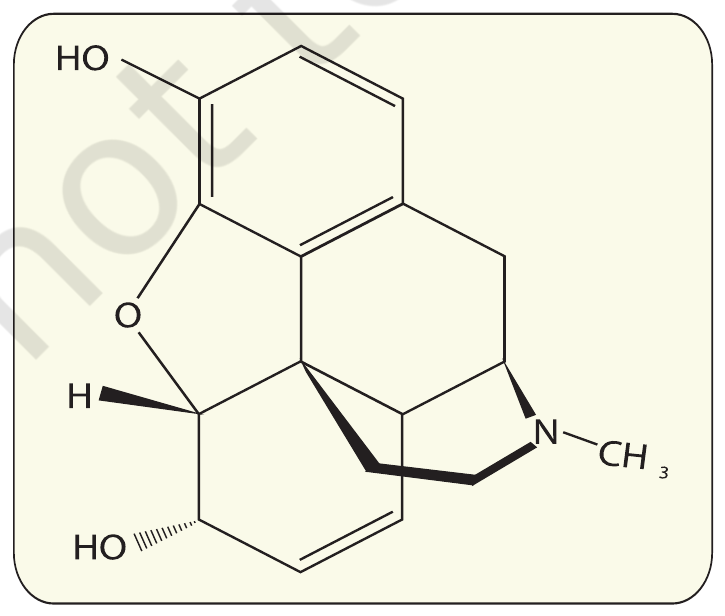
Opioids are the drugs which bind to specific opioid receptors present in our central nervous system and gastrointestinal tract. Heroin, commonly called smack, is chemically diacetylmorphine (NCERT Figure 7.7) which is a white, odourless, bitter crystalline compound. This is obtained by acetylation of morphine which is extracted from the latex of poppy plant Papaver somniferum (NCERT Figure 7.8). Generally taken by snorting and injection, heroin is a depressant and slows down body functions.
Cannabinoids are a group of chemicals (NCERT Figure 7.9) which interact with cannabinoid receptors present principally in the brain. Natural cannabinoids are obtained from the inflorescences of the plant Cannabis sativa (NCERT Figure 7.10). The flower tops, leaves and the resin of cannabis plant are used in various combinations to produce marijuana, hashish, charas and ganja. Generally taken by inhalation and oral ingestion, these are known for their effects on cardiovascular system of the body.
Coca alkaloid or cocaine is obtained from coca plant Erythroxylum coca, native to South America. It interferes with the transport of the neuro-transmitter dopamine. Cocaine, commonly called coke or crack is usually snorted. It has a potent stimulating action on central nervous system, producing a sense of euphoria and increased energy. Excessive dosage of cocaine causes hallucinations. Other well-known plants with hallucinogenic properties are Atropa belladonna and Datura (NCERT Figure 7.11). These days cannabinoids are also being abused by some sportspersons.
Drugs like barbiturates, amphetamines, benzodiazepines, and other similar drugs, that are normally used as medicines to help patients cope with mental illnesses like depression and insomnia, are often abused. Morphine is a very effective sedative and painkiller, and is very useful in patients who have undergone surgery. Several plants, fruits and seeds are used as medicines by local practitioners.
Suggest an edit
Practice1 question
Try it now. A wrong answer costs nothing here, try again until you get it.
Heroin is chemically diacetylmorphine. How is it obtained?
NCERT 7.5: heroin is obtained by acetylation of morphine, which is extracted from the latex of poppy plant Papaver somniferum.
Tobacco and adolescence
Smoking also paves the way to hard drugs. Tobacco has been used by human beings for more than 400 years. Tobacco is smoked, chewed or used as a snuff. Tobacco contains a large number of chemical substances including nicotine, an alkaloid. Nicotine stimulates adrenal gland to release adrenaline and nor-adrenaline into blood circulation, both of which raise blood pressure and increase heart rate. Smoking is associated with increased incidence of cancers of lung, urinary bladder and throat, bronchitis, emphysema, coronary heart disease, gastric ulcer, etc. Tobacco chewing is associated with increased risk of cancer of the oral cavity. Smoking increases carbon monoxide ($CO$) content in blood and reduces the concentration of haembound oxygen. This causes oxygen deficiency in the body.
Adolescence means both 'a period' and 'a process' during which a child becomes mature in terms of his/her attitudes and beliefs for effective participation in society. The period between 12-18 years of age may be thought of as adolescence period. In other words, adolescence is a bridge linking childhood and adulthood. Adolescence is accompanied by several biological and behavioural changes. Adolescence, thus, is a very vulnerable phase of mental and psychological development of an individual. Curiosity, need for adventure and excitement, and experimentation, constitute common causes, which motivate youngsters towards drug and alcohol use. A child's natural curiosity motivates him/her to experiment. This is complicated further by effects that might be perceived as benefits, of alcohol or drug use. Thus, the first use of drugs or alcohol may be out of curiosity or experimentation, but later the child starts using these to escape facing problems. Of late, stress, from pressures to excel in academics or examinations, has played a significant role in persuading the youngsters to try alcohol and drugs.
Television, movies, newspapers, internet also help to promote this behaviour. One of the reasons for widespread use of drugs and alcohol abuse among youth is due to peer pressure. Many youngsters start consuming drugs and alcohol in order to be accepted by their peers. Besides, the perception among youth that it is 'cool' or progressive to smoke, use drugs or alcohol, is also in a way a major cause for youth to start these habits. In the absence of proper guidance and counselling, they start using drugs to escape from the problems of life. As a result of the above, they become dependent on drugs and alcohol. The tendency for initiation of drug abuse is generally during adolescence.
Suggest an edit
Addiction, dependence and effects of drug abuse
Addiction is a psychological attachment to certain effects, such as euphoria and a temporary feeling of well-being, associated with drugs and alcohol. These drive people to take them even when these are not needed, or even when their use becomes self-destructive. With repeated use of drugs, the tolerance level of the receptors present in our body increases. Consequently, the receptors respond only to higher doses of drugs or alcohol leading to greater intake and addiction. However, it should be clearly borne in mind that use of these drugs even once, can be a fore-runner to addiction. Thus, the addictive potential of drugs and alcohol, pull the user into a vicious circle leading to their regular use (abuse) from which he/she may not be able to get out. In the absence of any guidance or counselling, the person gets addicted and becomes dependent on their use.
Dependence is the tendency of the body to manifest a characteristic and unpleasant withdrawal syndrome if regular dose of drugs/alcohol is abruptly discontinued. This is characterised by anxiety, shakiness, nausea and sweating, which may be relieved when use is resumed again. In some cases, withdrawal symptoms can be severe and even life threatening and the person may need medical supervision. Dependence leads the patient to ignore all social norms in order to get sufficient funds to satiate his/her needs. These result in many social adjustment problems.
The immediate adverse effects of drugs and alcohol abuse are manifested in the form of reckless behaviour, vandalism and violence. Excessive doses of drugs may lead to coma and death due to respiratory failure, heart failure or cerebral hemorrhage. A combination of drugs or their intake along with alcohol generally results in overdosing and even deaths. The most common warning signs of drug and alcohol abuse among youth include drop in academic performance, unexplained absence from school/college, lack of interest in personal hygiene, withdrawal, isolation, depression, fatigue, aggressive and rebellious behaviour, deteriorating relationships with family and friends, loss of interest in hobbies, change in sleeping and eating habits, fluctuations in weight, appetite, etc.
There may even be some far-reaching implications of drug/alcohol abuse. If an abuser is unable to get money to buy drugs/alcohol he/she may turn to stealing. The adverse effects are just not restricted to the person using drugs or alcohol. At times, a drug/alcohol addict becomes the cause of mental and financial distress to his/her entire family and friends.
Those who take drugs intravenously (direct injection into the vein using a needle and syringe), are much more likely to acquire serious infections like AIDS and Hepatitis B. The viruses, which are responsible for these diseases, are transferred from one person to another by sharing of infected needles and syringes. Both AIDS and Hepatitis B infections are chronic infections and ultimately fatal. Both can be transmitted through sexual contact or infected blood.
The use of alcohol during adolescence may also have long-term effects. It could lead to heavy drinking in adulthood. The chronic use of drugs and alcohol damages nervous system and liver (cirrhosis). The use of drugs and alcohol during pregnancy is also known to adversely affect the foetus.
Another misuse of drugs is what certain sportspersons do to enhance their performance. They (mis)use narcotic analgesics, anabolic steroids, diuretics and certain hormones in sports to increase muscle strength and bulk and to promote aggressiveness. The side-effects of the use of anabolic steroids in females include masculinisation (features like males), increased aggressiveness, mood swings, depression, abnormal menstrual cycles, excessive hair growth on the face and body, enlargement of clitoris, deepening of voice. In males it includes acne, increased aggressiveness, mood swings, depression, reduction of size of the testicles, decreased sperm production, potential for kidney and liver dysfunction, breast enlargement, premature baldness, enlargement of the prostate gland. These effects may be permanent with prolonged use. In the adolescent male or female, severe facial and body acne, and premature closure of the growth centres of the long bones may result in stunted growth.
Suggest an edit
Prevention and control of drug and alcohol abuse
The age-old adage of 'prevention is better than cure' holds true here also. Some of the measures useful for prevention and control of alcohol and drugs abuse among adolescents are:
- Avoid undue peer pressure: Every child has his/her own choice and personality, which should be respected and nurtured. A child should not be pushed unduly to perform beyond his/her threshold limits, be it studies, sports or other activities.
- Education and counselling: Educating and counselling him/ her to face problems and stresses, and to accept disappointments and failures as a part of life. It would also be worthwhile to channelise the child's energy into healthy pursuits like sports, reading, music, yoga and other extracurricular activities.
- Seeking help from parents and peers: Help from parents and peers should be sought immediately so that they can guide appropriately. Help may even be sought from close and trusted friends. Besides getting proper advice to sort out their problems, this would help young to vent their feelings of anxiety and guilt.
- Looking for danger signs: Alert parents and teachers need to look for and identify the danger signs discussed above. Even friends, if they find someone using drugs or alcohol, should not hesitate to bring this to the notice of parents or teacher in the best interests of the person concerned. Appropriate measures would then be required to diagnose the malady and the underlying causes. This would help in initiating proper remedial steps or treatment.
- Seeking professional and medical help: A lot of help is available in the form of highly qualified psychologists, psychiatrists, and de-addiction and rehabilitation programmes to help individuals who have unfortunately got in the grip of the drug/alcohol abuse. With such help, the affected individual with sufficient efforts and will power, can succeed in quitting drug abuse and leading a normal life.
Suggest an edit
Table 1: Common diseases in humans
| Disease | Pathogen | Key symptoms or signs |
|---|---|---|
| Typhoid | Salmonella typhi (bacterium) | Sustained high fever 39° to 40°C, weakness, stomach pain, constipation, headache, loss of appetite |
| Pneumonia | Streptococcus pneumoniae, Haemophilus influenzae (bacteria) | Alveoli filled with fluid, fever, chills, cough, headache; lips and nails gray to bluish in severe cases |
| Common cold | Rhinoviruses (virus) | Nasal congestion and discharge, sore throat, hoarseness, cough, headache, tiredness; lasts 3-7 days |
| Malaria | Plasmodium vivax, P. malariae, P. falciparum (protozoan) | Chill and high fever recurring every three to four days; malignant malaria can be fatal |
| Amoebiasis | Entamoeba histolytica (protozoan) | Constipation, abdominal pain and cramps, stools with excess mucous and blood clots |
| Ascariasis | Ascaris (helminth) | Internal bleeding, muscular pain, fever, anemia, blockage of intestinal passage |
| Filariasis | Wuchereria bancrofti, W. malayi (helminth) | Chronic inflammation of lymphatic vessels of lower limbs; elephantiasis |
| Ringworm | Microsporum, Trichophyton, Epidermophyton (fungi) | Dry, scaly lesions on skin, nails and scalp with intense itching |
Widal test confirms typhoid. Haemozoin causes the malaria chill and fever. Houseflies are mechanical carriers of amoebiasis. Female Anopheles mosquito is the vector of malaria; filariasis is transmitted by female mosquito vectors.
Source: NCERT XII, Ch 7, 7.1.
Suggest an edit
Table 2: Innate immunity vs acquired immunity
| Feature | Innate immunity | Acquired immunity |
|---|---|---|
| Specificity | Non-specific | Pathogen specific |
| Present at | Time of birth | Develops after exposure; has memory |
| First encounter | Ready at once | Primary response of low intensity |
| Later encounter | Same every time | Secondary (anamnestic) response, highly intensified |
| Main players | Barriers, phagocytes, natural killer cells, interferons | B-lymphocytes (antibodies) and T-lymphocytes |
| Examples | Skin, stomach acid, tears, macrophages | Vaccination, antibodies after infection |
Innate immunity is non-specific and present at birth. Acquired immunity is pathogen specific and characterised by memory.
Source: NCERT XII, Ch 7, 7.2, 7.2.1 and 7.2.2.
Suggest an edit
Table 3: Lymphoid organs
| Organ | Primary or secondary | What it does |
|---|---|---|
| Bone marrow | Primary | Main lymphoid organ; all blood cells including lymphocytes are produced here |
| Thymus | Primary | Lobed organ near the heart; provides micro-environment for T-lymphocyte development and maturation; large at birth, small by puberty |
| Spleen | Secondary | Large bean-shaped organ; filter of blood trapping blood-borne micro-organisms; reservoir of erythrocytes |
| Lymph nodes | Secondary | Small solid structures along the lymphatic system; trap antigens and activate lymphocytes |
| Tonsils | Secondary | Site where lymphocytes interact with antigen and proliferate to effector cells |
| Peyer's patches | Secondary | Lymphoid tissue of the small intestine; site of lymphocyte-antigen interaction |
| Appendix | Secondary | Site where lymphocytes interact with antigen and proliferate to effector cells |
Mucosa-associated lymphoid tissue (MALT) in the lining of respiratory, digestive and urogenital tracts makes up about 50 per cent of the lymphoid tissue in the human body.
Source: NCERT XII, Ch 7, 7.2.7.
Suggest an edit
Table 4: Drugs of abuse

| Drug | Source | Action or effect |
|---|---|---|
| Heroin (smack) | Morphine from latex of Papaver somniferum | Depressant; slows down body functions; taken by snorting and injection |
| Morphine | Latex of Papaver somniferum | Effective sedative and painkiller; useful after surgery |
| Cannabinoids (marijuana, hashish, charas, ganja) | Inflorescences of Cannabis sativa | Act on cannabinoid receptors in the brain; effects on the cardiovascular system |
| Cocaine (coke, crack) | Erythroxylum coca | Stimulant; interferes with dopamine transport; euphoria and increased energy; hallucinations in excess |
| Nicotine (tobacco) | Tobacco plant | Stimulates adrenal gland to release adrenaline and nor-adrenaline; raises blood pressure and heart rate |
Heroin is a depressant; cocaine is a stimulant. Do not swap them.
Source: NCERT XII, Ch 7, 7.5.
Suggest an edit
Pairs that NEET loves to swap
- Pathogen vs vector: Plasmodium is the pathogen that causes malaria; the female Anopheles mosquito is the vector, not the pathogen.
- B-lymphocytes vs T-lymphocytes: B cells produce antibodies (humoral response); T cells help B cells and mediate cell-mediated immunity. Graft rejection is cell-mediated.
- Active vs passive immunity: active means the host makes antibodies (slow, after infection or vaccination); passive means ready-made antibodies are given (colostrum IgA, placenta, antitoxin).
- Benign vs malignant tumours: benign stay confined; malignant invade, starve normal cells and spread by metastasis.
- Depressant vs stimulant: heroin is a depressant; cocaine is a stimulant. Do not swap them.
- Allergy vs auto-immunity: allergy is an exaggerated response to an outside antigen (IgE, histamine); auto-immunity is the body attacking its own cells (rheumatoid arthritis).
- Innate vs acquired: innate is non-specific and present at birth; acquired is pathogen specific and has memory.
Suggest an edit
Trap Boxes
The mosquito causes malaria?
Wrong idea: The female Anopheles mosquito is the pathogen that causes malaria.
Plasmodium is the pathogen; the female Anopheles mosquito is only the vector that carries the sporozoites into humans.
NCERT XII, Ch 7, 7.1
T-lymphocytes produce antibodies?
Wrong idea: Antibodies are produced by T-lymphocytes.
B-lymphocytes produce antibodies; T-lymphocytes help B cells to produce them and mediate cell-mediated immunity.
NCERT XII, Ch 7, 7.2.2
HIV spreads by touch or sharing food?
Wrong idea: HIV spreads by touch, sharing food or sitting near an infected person.
HIV spreads only through body fluids: sexual contact, contaminated blood, shared needles and from an infected mother to her child. It is not spread by mere touch or physical contact.
NCERT XII, Ch 7, 7.3
Benign tumours spread to other organs?
Wrong idea: Benign tumours spread through the blood and start new tumours elsewhere.
Benign tumours remain confined to their original location. Metastasis, the spread to distant sites through blood, is the most feared property of malignant tumours only.
NCERT XII, Ch 7, 7.4
Heroin is a stimulant?
Wrong idea: Heroin stimulates the central nervous system like cocaine.
Heroin is a depressant and slows down body functions. Cocaine is the one with a potent stimulating action on the central nervous system.
NCERT XII, Ch 7, 7.5
Chapter test
5 NEET PYQs. +4 for a correct answer, -1 for a wrong answer, exactly like NEET. Finish the test to earn a medal.
Q1: NEET (UG) 2024, Code R3, Q159
Match List I with List II
| List I | List II |
|---|---|
| A. Cocaine | I. Effective sedative in surgery |
| B. Heroin | II. Cannabis sativa |
| C. Morphine | III. Erythroxylum |
| D. Marijuana | IV. Papaver somniferum |
Cocaine comes from Erythroxylum coca (A-III); heroin is made from morphine, which comes from Papaver somniferum (B-IV); morphine is an effective sedative in surgery (C-I); marijuana comes from Cannabis sativa (D-II).
Q2: NEET (UG) 2024, Code R3, Q154
Which of the following are Autoimmune disorders?
A. Myasthenia gravis
B. Rheumatoid arthritis
C. Gout
D. Muscular dystrophy
E. Systemic Lupus Erythematosus (SLE)
Choose the correct answer from the options given below:
Myasthenia gravis, rheumatoid arthritis and systemic lupus erythematosus (SLE) are autoimmune disorders, in which the body attacks its own cells. Gout is inflammation of joints due to accumulation of uric acid crystals, and muscular dystrophy is a genetic disorder, so neither is autoimmune.
Q3: NEET (UG) 2021, Code P3, Q195
Match List - I with List - II.
| List - I | List - II |
|---|---|
| (a) Filariasis | (i) Haemophilus influenzae |
| (b) Amoebiasis | (ii) Trichophyton |
| (c) Pneumonia | (iii) Wuchereria bancrofti |
| (d) Ringworm | (iv) Entamoeba histolytica |
Filariasis is caused by Wuchereria bancrofti; amoebiasis by Entamoeba histolytica; pneumonia by Haemophilus influenzae; ringworm by Trichophyton. So (a)-(iii), (b)-(iv), (c)-(i), (d)-(ii).
Q4: NEET (UG) 2020, Code G5, Q78
Identify the wrong statement with reference to immunity.
Active immunity is slow and takes time to give its full effective response. Statements (1), (3) and (4) are correct: ready-made antibodies mean passive immunity, the foetus gets antibodies from the mother through the placenta, and antibodies produced in the host body after antigen exposure mean active immunity.
Q5: NEET (UG) 2020, Code G5, Q39
The infectious stage of Plasmodium that enters the human body is :
Plasmodium enters the human body as sporozoites through the bite of an infected female Anopheles mosquito. The parasites first multiply within the liver cells and then attack the red blood cells.
Score: 0 · Answered 0 of 5
Flashcards
Tap a card to flip it over and see the answer. Tap it again to flip it back.
Which bacterium causes typhoid, and which test confirms it?
Tap to flipSalmonella typhi. Typhoid fever is confirmed by the Widal test. Symptoms include sustained high fever (39° to 40°C), weakness, stomach pain, constipation, headache and loss of appetite.
Tap to flip backWhich Plasmodium species causes malignant malaria, and what causes the chill and fever?
Tap to flipPlasmodium falciparum. Rupture of red blood cells releases haemozoin, which is responsible for the chill and high fever recurring every three to four days.
Tap to flip backPut the Plasmodium stages in order: sporozoites in salivary glands, multiplication in liver cells, attack on red blood cells, rupture of red blood cells.
Tap to flipSporozoites stored in the salivary glands enter through the mosquito bite, multiply within the liver cells, attack the red blood cells, and the rupture of red blood cells releases haemozoin.
Tap to flip backHow many peptide chains does an antibody have, and what are the four antibody types named in NCERT?
Tap to flipFour peptide chains: two light chains and two heavy chains, written H2L2. IgA, IgM, IgE and IgG are the types named.
Tap to flip backWhich is active immunity and which is passive: vaccination, colostrum, tetanus antitoxin, natural infection?
Tap to flipActive: vaccination and natural infection (the host makes the antibodies). Passive: colostrum with IgA and tetanus antitoxin (ready-made antibodies are given).
Tap to flip backName the primary and secondary lymphoid organs.
Tap to flipPrimary: bone marrow and thymus. Secondary: spleen, lymph nodes, tonsils, Peyer's patches of small intestine and appendix.
Tap to flip backName one bacterial, one viral, one protozoan, one helminth and one fungal disease from this chapter.
Tap to flipBacterial: typhoid (Salmonella typhi). Viral: common cold (rhinoviruses). Protozoan: malaria (Plasmodium). Helminth: ascariasis (Ascaris). Fungal: ringworm (Trichophyton).
Tap to flip backHow is HIV transmitted, and how long is the time lag before AIDS symptoms appear?
Tap to flipSexual contact, transfusion of contaminated blood, sharing infected needles, and from an infected mother to her child through the placenta. The time lag is usually 5 to 10 years.
Tap to flip backWhich tumour spreads by metastasis: benign or malignant?
Tap to flipMalignant only. Benign tumours remain confined to their original location and cause little damage; malignant tumour cells slough off, travel through blood and start new tumours at distant sites.
Tap to flip backFrom which plants are heroin, cocaine and marijuana obtained?
Tap to flipHeroin: morphine from the latex of Papaver somniferum (opium poppy). Cocaine: Erythroxylum coca. Marijuana: Cannabis sativa.
Tap to flip back